
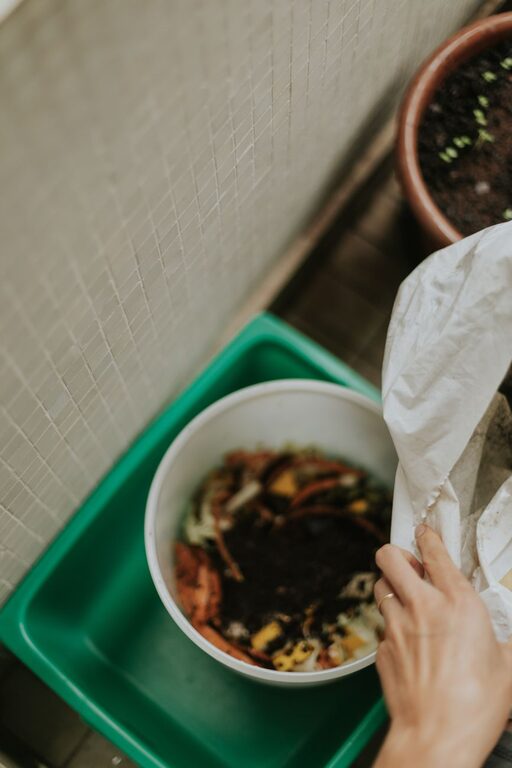
Reducing food waste at home is a simple yet impactful way to save money and contribute to environmental sustainability. Every year, millions of tons of food are discarded, much of it still edible. By adopting mindful habits in the kitchen, you can make a difference. This post offers practical tips and strategies to help you reduce food waste effectively.
Why Reducing Food Waste Matters
Food waste has significant environmental, economic, and social consequences. When food is thrown away, so are the resources used to produce it, such as water, energy, and labor. Additionally, decomposing food in landfills releases methane, a potent greenhouse gas. By minimizing waste, you help conserve resources and reduce your carbon footprint.
Smart Shopping Habits
Plan Your Meals
One of the best ways to avoid food waste is planning your meals ahead of time. Take a few minutes each week to decide what you’ll cook, then create a detailed shopping list based on those plans. This approach helps prevent buying unnecessary items that may go unused.
Stick to Your List
Impulse buying often leads to excess food that can spoil before use. Stick to your shopping list to avoid purchasing more than you need. If you’re tempted by sales or bulk deals, consider whether you can realistically use or store the items before the expiration date.
Shop More Often, Buy Less
Instead of doing a big grocery run once a week, try shopping more frequently for smaller quantities. This way, you’re less likely to forget about perishable items and can buy fresh produce as needed.
Proper Food Storage
Understand How to Store Different Foods
Proper storage can extend the life of your food significantly. For example, store leafy greens in a container with a paper towel to absorb moisture, and keep bread in a cool, dry place rather than the fridge to avoid staleness.
Use Clear Containers
Using transparent, labeled containers for leftovers and prepped ingredients helps keep track of what you have, reducing the chance of forgetting and wasting food.
Keep Expiry Dates in Mind
Organize your fridge and pantry so that items with the earliest expiration dates are at the front, encouraging you to use them first.
Creative Cooking and Leftovers
Use Leftovers Wisely
Get creative with leftovers instead of letting them spoil. Turn roasted vegetables into soups, use stale bread for croutons or bread pudding, and mix leftover grains and proteins into salads or stir-fries.
Portion Control
Serve reasonable portions to avoid uneaten food on plates. You can always offer seconds if people are still hungry.
Embrace “Ugly” Produce
Don’t shy away from fruits and vegetables that look imperfect. These items are often just as nutritious and tasty and can be cooked or blended into smoothies.
Composting as a Last Resort
Even with the best efforts, some food scraps are unavoidable. Composting organic waste instead of throwing it in the trash reduces landfill waste and creates nutrient-rich soil for gardening.
Set Up a Compost Bin
You can start a simple compost system at home using a bin or pile in your yard. Many communities also offer compost drop-off programs if space is limited.
What to Compost
Vegetable peelings, fruit scraps, coffee grounds, eggshells, and other plant-based waste are great for composting. Avoid composting meat, dairy, and oily foods to prevent odors and pests.
Educate and Involve Your Household
Reducing food waste is easier when everyone in the home participates.
Communicate Goals
Share why reducing food waste is important and encourage household members to be mindful when cooking or discarding food.
Assign Tasks
Involve family or roommates by assigning tasks like checking expiry dates, managing leftovers, or tending to the compost.
Final Thoughts
Reducing food waste at home takes a bit of effort, but the rewards are well worth it. By planning meals, shopping smartly, storing food properly, and getting creative with leftovers, you can save money, reduce your environmental impact, and enjoy fresher meals. Start with small changes, and watch them add up to make a big difference.
