
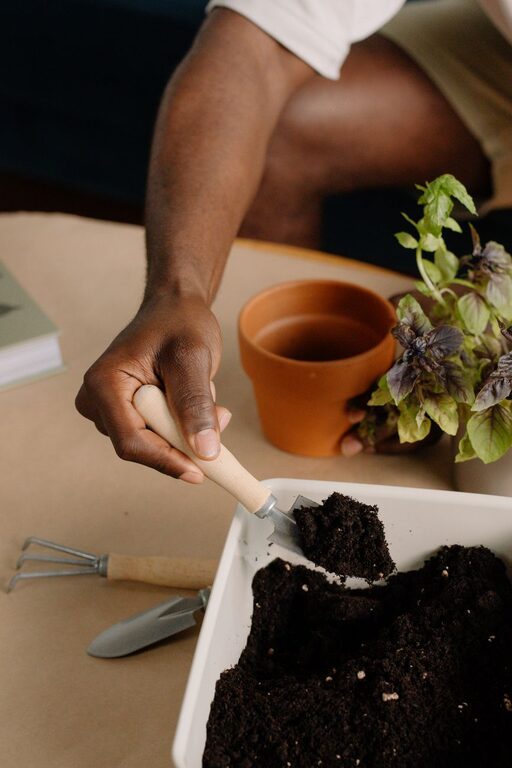
Starting a small herb garden indoors is a rewarding way to bring fresh flavors into your kitchen and add greenery to your home. Whether you have a sunny windowsill or a bright corner, growing herbs indoors can be simple and enjoyable. This guide will walk you through the essential steps to set up your own indoor herb garden, perfect for beginners and seasoned gardeners alike.
Why Grow Herbs Indoors?
Growing herbs inside comes with several benefits:
– Convenience: Fresh herbs are always within reach when cooking.
– Year-round growth: Indoor conditions allow herbs to thrive regardless of the season.
– Space-saving: Ideal for those without outdoor garden space.
– Air quality: Plants can help purify indoor air.
– Decorative: Adds greenery and charm to your living space.
Choosing the Right Herbs for Indoors
Some herbs thrive better indoors than others. Here are popular herbs suitable for indoor growing:
– Basil: Loves bright light and warmth.
– Mint: Easy to grow but can spread quickly; keep in a separate pot.
– Parsley: Prefers moderate light and cool temperatures.
– Chives: Hardy and require bright light.
– Thyme: Needs plenty of sunlight and well-draining soil.
– Oregano: Thrives in sunny spots with well-drained soil.
– Cilantro: Grows quickly and likes cooler environments.
Choose herbs based on your cooking preferences and the conditions you can provide at home.
What You’ll Need to Start Your Indoor Herb Garden
Before planting, gather the following supplies:
– Containers: Small pots or planters with drainage holes help prevent overwatering.
– Potting soil: Use a well-draining potting mix designed for indoor plants.
– Seeds or starter plants: Beginners may find it easier to start with small plants or seedlings.
– Watering can or spray bottle: To keep soil moist but not soggy.
– Light source: A sunny windowsill or grow lights if natural light is limited.
– Labels (optional): To keep track of herbs.
Step-by-Step Guide to Planting Your Indoor Herb Garden
1. Select Your Containers
Choose pots that suit your space and the size of the mature plant. Terra cotta, ceramic, or plastic pots all work well as long as they have drainage holes.
2. Fill with Potting Soil
Use a high-quality potting mix rather than garden soil. Fill each container, leaving about an inch of space at the top.
3. Plant Seeds or Seedlings
– If you’re using seeds, plant them according to the packet instructions regarding depth and spacing.
– For seedlings, gently remove them from their nursery pots and place them in your container, then cover the roots with soil.
4. Water Gently
Water deeply but avoid waterlogging. The soil should be moist but not soggy. Use a watering can with a narrow spout or spray bottle for gentle watering.
5. Provide Adequate Light
Herbs need at least 6 hours of light daily. A south-facing window is ideal. If natural light is insufficient, consider using LED grow lights for 12-16 hours each day.
6. Maintain Proper Temperature and Humidity
Most herbs prefer temperatures between 65–75°F (18–24°C). Avoid placing plants near drafts, heaters, or air conditioners. Moderate humidity is beneficial; occasionally mist plants if your home is dry.
7. Fertilize Occasionally
Use a balanced, water-soluble fertilizer every 4-6 weeks to provide nutrients. Avoid over-fertilizing as it can reduce flavor intensity.
Caring for Your Indoor Herb Garden
Watering Tips
Check soil moisture regularly by touching the soil. Water when the top inch feels dry. Early morning watering is best to reduce mold risk.
Pruning and Harvesting
Regular pruning encourages bushier growth. Harvest leaves by pinching or snipping, avoiding cutting more than one-third of the plant at once. Use fresh herbs within a few days or dry them for later use.
Pest Management
Indoor herbs can attract pests like aphids or spider mites. Inspect leaves regularly. Wipe leaves with a damp cloth or use insecticidal soap if needed.
Troubleshooting Common Issues
– Yellow leaves: Could indicate overwatering or poor drainage.
– Leggy plants: Usually caused by insufficient light; try moving closer to a light source.
– Wilting: Might be underwatering or too much direct sunlight.
– Slow growth: Could benefit from fertilizer or repotting if roots are crowded.
Decorating and Arranging Your Herb Garden
You can create an attractive herb display using a variety of containers or a tiered plant stand. Group plants with similar light and water needs together. Consider labeling each pot with chalkboard tags or decorative markers.
Final Tips for Success
– Start small to avoid overwhelm.
– Experiment with different herbs to find your favorites.
– Be patient; some herbs take longer to grow than others.
– Keep a gardening journal to track watering, growth, and harvest times.
Growing an indoor herb garden is a fun and practical way to enjoy fresh herbs and greenery in your home. With just a little preparation and care, you’ll soon have a thriving mini garden right on your windowsill. Happy gardening!
